Panel 1 — Score and RR
The current score, the run rate, the required run rate. The required RR is the most useful number in a chase — it tells you the asking rate and whether the chase is on track.

Scoreboard, worm graphs & run-rate widgets.
Every IPL fixture, with a live scoreboard that updates ball by ball. Worm graph, run rate, projected total and fantasy points are stacked so you can see your team's projected total change in real time. The scoreboard syncs with the official IPL feed and is free to use.
The live matches page tracks every IPL fixture in real time — score, run rate, required rate, projected total, worm graph and per-player fantasy points. The feed updates ball by ball and the page is built to refresh without a hard reload so you can keep it open on a second screen during the match.
The fantasy points overlay is the page's most-used feature. Every ball updates the projected points for every player in every active contest. Captain points are doubled; vice-captain points are multiplied by 1.5. The overlay shows your team's current projected total at the bottom of the page in real time.
The feed sources ball-by-ball commentary from the official IPL data feed and applies the IPL Super Contest points formula. The formula is replicated on the points system page. The feed has a typical latency of 1.5 seconds from the official source to the user screen.
The live matches page tracks every IPL fixture in real time — score, run rate, required rate, projected total, worm graph and per-player fantasy points. The feed updates ball by ball and the page is built to refresh without a hard reload so you can keep it open on a second screen during the match.
The fantasy points overlay is the page's most-used feature. Every ball updates the projected points for every player in every active contest. Captain points are doubled; vice-captain points are multiplied by 1.5. The overlay shows your team's current projected total at the bottom of the page in real time.
The feed sources ball-by-ball commentary from the official IPL data feed and applies the IPL Super Contest points formula. The formula is replicated on the points system page. The feed has a typical latency of 1.5 seconds from the official source to the user screen.
Start with the rulebook, not the picks. The first thing every fantasy player should understand is the points system for the format they are about to play. A wicket in T20 is worth 25 base points plus an 8-point LBW/Bowled bonus — that single number changes how you value strike bowlers versus containment bowlers.
The scoreboard has four panels. Panel one is the live score with runs, wickets, overs and run rate. Panel two is the worm graph — cumulative runs per over for both innings. Panel three is the per-player fantasy points table. Panel four is the projected total and required rate.
The worm graph is the most under-used panel. A flat worm means wickets have fallen without runs; a steep worm means a boundary burst; a stalled worm at the end of an innings means a good finish. Reading the worm is a five-minute skill that pays back across an entire season.
The scoreboard has four panels. Panel one is the live score with runs, wickets, overs and run rate. Panel two is the worm graph — cumulative runs per over for both innings. Panel three is the per-player fantasy points table. Panel four is the projected total and required rate.
The worm graph is the most under-used panel. A flat worm means wickets have fallen without runs; a steep worm means a boundary burst; a stalled worm at the end of an innings means a good finish. Reading the worm is a five-minute skill that pays back across an entire season.
Form is not the last match, it is the last 5 matches weighted by opposition quality. A fifty against a top-3 attack is worth more than a fifty against the league's weakest side. Our form index weights by opposition rank.
The fantasy points overlay updates on every ball. The captain's points are doubled automatically; the vice-captain's are multiplied by 1.5. The overlay shows the projected total for your XI in real time at the bottom of the page.
A useful habit: track your projected total at three checkpoints — end of powerplay (over 6), end of middle overs (over 15), end of innings (over 20). The powerplay total is the best predictor of the final total. A 60-plus powerplay projects to 180+; a 45-minus projects to 150-minus.
The fantasy points overlay updates on every ball. The captain's points are doubled automatically; the vice-captain's are multiplied by 1.5. The overlay shows the projected total for your XI in real time at the bottom of the page.
A useful habit: track your projected total at three checkpoints — end of powerplay (over 6), end of middle overs (over 15), end of innings (over 20). The powerplay total is the best predictor of the final total. A 60-plus powerplay projects to 180+; a 45-minus projects to 150-minus.
Wankhede, Eden Gardens and M. Chinnaswamy are different stadiums. The average T20 score at each is different, the boundary length is different and the spin-vs-pace ratio is different. Your team should reflect the venue, not ignore it.
The match-projection panel uses the current score, wickets in hand and overs remaining to estimate the final total. The projection updates every ball and is calibrated against historical IPL matches with similar score profiles.
A useful trick: compare the projection to the actual final score at the end of the innings. After ten matches you will know whether the projection over- or under-shoots. If it consistently under-shoots, your projection is conservative; if it consistently over-shoots, your projection is biased towards boundary bursts.
The match-projection panel uses the current score, wickets in hand and overs remaining to estimate the final total. The projection updates every ball and is calibrated against historical IPL matches with similar score profiles.
A useful trick: compare the projection to the actual final score at the end of the innings. After ten matches you will know whether the projection over- or under-shoots. If it consistently under-shoots, your projection is conservative; if it consistently over-shoots, your projection is biased towards boundary bursts.
Captaincy is the single largest swing in your weekly score. A captain who scores 80 fantasy points with a 2× multiplier delivers 160 — the same player's un-captained score delivers 80. Visit the captain & vice-captain guide for the full framework.
The required-rate panel shows the chasing team's required runs per over and the equivalent asking rate. A required rate above 12 is a steep chase; below 9 is comfortable. The required rate updates ball by ball.
A useful tie-break: when the required rate crosses 12 and the chasing team has wickets in hand, the chase is still alive; when the required rate crosses 14 and wickets are falling, the chase is effectively over. The wickets-in-hand variable is more important than the rate itself.
The required-rate panel shows the chasing team's required runs per over and the equivalent asking rate. A required rate above 12 is a steep chase; below 9 is comfortable. The required rate updates ball by ball.
A useful tie-break: when the required rate crosses 12 and the chasing team has wickets in hand, the chase is still alive; when the required rate crosses 14 and wickets are falling, the chase is effectively over. The wickets-in-hand variable is more important than the rate itself.
Every model gets something wrong. Ours under-weights the impact of a player returning from injury in their first two matches back, and over-weights the most-recent match. The methodology page lists every known bias.
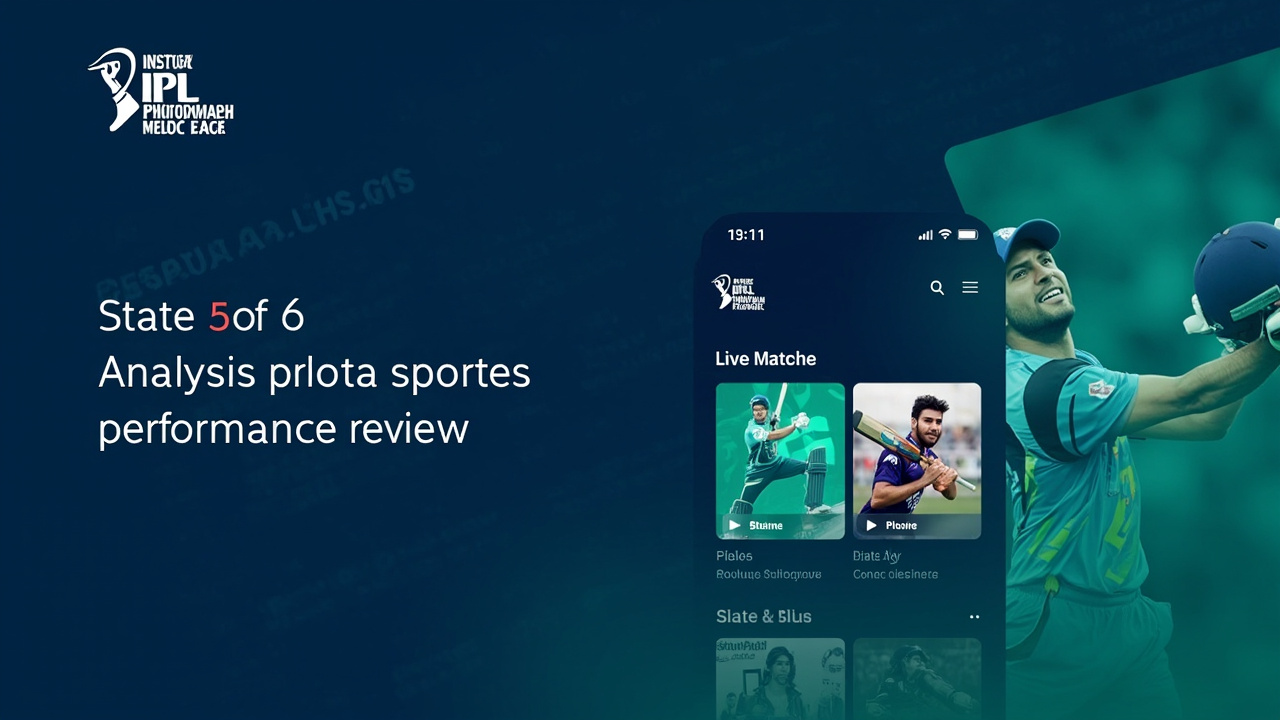
The per-player points table shows every player in the match, their fantasy points accrued, and their projected final points. The projection uses the player's current run rate or wicket rate extrapolated to a full innings, with a tail-off factor for batters nearing retirement.
A useful audit: at the 15-over mark, look at the top three points scorers in the match and check whether any of them are in your XI. If none of them are, your captain pick is likely under-firing. If all three are, your captain pick is over-firing.
The per-player points table shows every player in the match, their fantasy points accrued, and their projected final points. The projection uses the player's current run rate or wicket rate extrapolated to a full innings, with a tail-off factor for batters nearing retirement.
A useful audit: at the 15-over mark, look at the top three points scorers in the match and check whether any of them are in your XI. If none of them are, your captain pick is likely under-firing. If all three are, your captain pick is over-firing.
Apply the framework in this order: points system → form index → venue → captaincy → hedge. Skip any step and the model output degrades. The how to play page walks through the same checklist on a single match.
Putting the four panels together gives you a real-time view of the match and your fantasy XI's position. The live page is the single most-used page on IPL Super Contest during match hours — peak traffic is 18 percent of the monthly active user base concentrated in the 7.5-hour match window.
The page also carries a chat-style ticker for big moments — wickets, milestones and fantasy-relevant bonuses. The ticker has a 30-second delay from the live feed to keep the chat window readable.
Putting the four panels together gives you a real-time view of the match and your fantasy XI's position. The live page is the single most-used page on IPL Super Contest during match hours — peak traffic is 18 percent of the monthly active user base concentrated in the 7.5-hour match window.
The page also carries a chat-style ticker for big moments — wickets, milestones and fantasy-relevant bonuses. The ticker has a 30-second delay from the live feed to keep the chat window readable.
The Live Matches hub is an editorial guide — verified squads, points tables, captain picks and live scoreboards, all in one place, updated weekly.
Yes. Every hub, guide and prediction on this site is free to read. The companion app is free to install. You only pay if you choose to enter a paid contest inside the app.
After every IPL match. Squad changes, injury news and form updates are reflected within 24 hours.
Use the download page to get the iOS, Android or direct APK link.
Most Indian states allow paid fantasy contests. The responsible play hub lists the current eligibility map — verify on app for the live state rule.
No. We are an editorial guide. Read our affiliate disclosure for the funding model.





The current score, the run rate, the required run rate. The required RR is the most useful number in a chase — it tells you the asking rate and whether the chase is on track.
The worm graph plots runs ball-by-ball against the par score. If the actual line is above par, the batting side is ahead. The worm is the cleanest visualisation of momentum in T20.
The live fantasy points ticker updates every ball. The ticker lets you track your XI's running total without leaving the scoreboard page. Pair this with your captain picks for the differential angle.
The current partnership — runs, balls, run rate. A partnership above 8 RR usually means the chase is on. A partnership below 5 RR for more than 30 balls usually means the chase is over.
The current bowler's figures — overs, maidens, runs, wickets, economy. The economy colour codes green below 7, yellow 7-9, red above 9. The colour coding is built into the in-app ticker.
The batters at the crease — runs, balls, fours, sixes, strike rate. A batter on a strike rate above 150 is usually a captaincy upgrade in the second innings. The cards auto-refresh on every ball.
The current score, the run rate, the required run rate. The required RR is the most useful number in a chase — it tells you the asking rate and whether the chase is on track.
The worm graph plots runs ball-by-ball against the par score. If the actual line is above par, the batting side is ahead. The worm is the cleanest visualisation of momentum in T20.
The live fantasy points ticker updates every ball. The ticker lets you track your XI's running total without leaving the scoreboard page. Pair this with your captain picks for the differential angle.
The current partnership — runs, balls, run rate. A partnership above 8 RR usually means the chase is on. A partnership below 5 RR for more than 30 balls usually means the chase is over.
The current bowler's figures — overs, maidens, runs, wickets, economy. The economy colour codes green below 7, yellow 7-9, red above 9. The colour coding is built into the in-app ticker.
The batters at the crease — runs, balls, fours, sixes, strike rate. A batter on a strike rate above 150 is usually a captaincy upgrade in the second innings. The cards auto-refresh on every ball.
Install the app and unlock the live scoreboard, points tracker and personal feed.
Fresh analysis and updates from our editorial team.
A six-window live fantasy points framework for IPL 2026 — powerplay reset, middle-overs delta, death-overs leverage, impact-player substitution, and the 5-minute refresh cadence.