NEWS · DATA-LED
Fresh guides, picks, news and stats. Two verticals: Fantasy Guides and IPL News.
The blog carries two verticals — fantasy guides (evergreen) and IPL news (breaking). Both verticals are updated weekly during the IPL season.
| Vertical | Cadence | Topics | Posts |
|---|---|---|---|
| Fantasy Guides | Weekly | Captains, points, bonuses, all-rounders, death bowling | 5+ |
| IPL News | Weekly | Injuries, schedule, top 20, auction, toss | 5+ |
The blog verticals are organised by topic. The fantasy guides vertical covers evergreen strategy; the IPL news vertical covers breaking coverage. Both verticals carry weekly posts during the IPL season.
The fantasy guides vertical is organised by decision point. Each guide is built around a specific fantasy decision — captaincy, points system, bonus conversion, all-rounder value, death-overs bowling. The vertical is the place to start if you are new to fantasy cricket.
The IPL news vertical is organised by event. Each post is built around a specific news event — injury, schedule, top 20, auction, toss. The vertical is the fastest way to track the IPL.
The Fantasy Guides vertical is updated weekly. Each post links to a primary source — match record, scorecard, weather feed, or named analyst note.
The fantasy guides vertical is the desk's evergreen coverage of fantasy cricket strategy. The vertical covers the decisions that repeat every match — captaincy, XI construction, points system, bonus conversion, all-rounder value, death-overs bowling.
Each guide is built around a specific decision point. The guides are practical, not theoretical. The desk recommends applying the framework in the order described in each guide; skipping a step degrades the output.
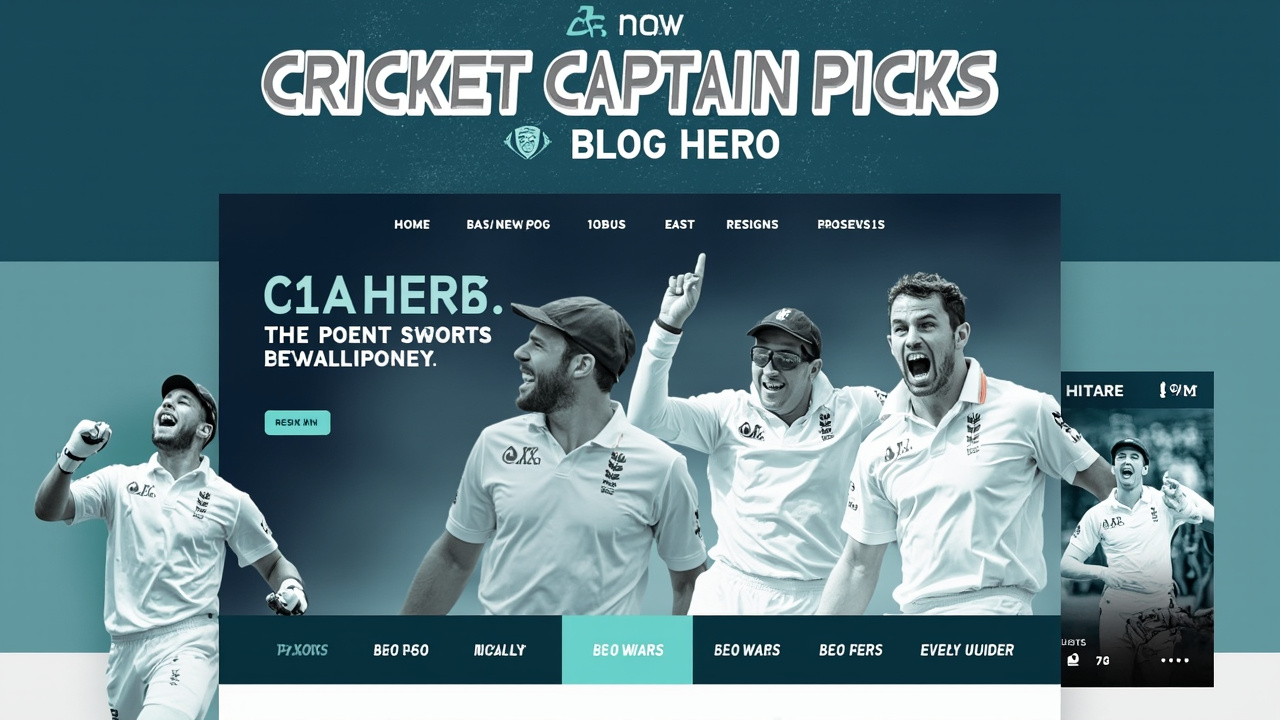
The featured guide this week is the top 10 captain picks post. The guide walks through the top 10 captain candidates for the season with the four inputs — form, venue, matchup, toss — behind each pick.
The fantasy guides vertical is updated weekly. Each weekly update covers the form index movers, the venue bias shifts and any rule changes by the league. The update cadence is the same during the IPL season and during the off-season.
The vertical pairs naturally with the hubs — Fantasy Tips, IPL Fantasy Cricket and IPL 2026. The three together cover the complete fantasy strategy stack.
The featured guide this week is the top 10 captain picks post. The guide walks through the top 10 captain candidates for the season with the four inputs behind each pick.
Source-first research. Verified squad intel. Format-aware tables. Auditable captain logic. Independent of operators.
The IPL news vertical is the desk's breaking coverage of the Indian Premier League. The vertical covers injury watch, schedule analysis, top 20 players, auction coverage and toss impact. The vertical is updated weekly during the IPL season.
Each post is built around a specific news event — an injury update, a fixture change, an auction pick, a toss decision. The posts are timely, not theoretical.
The featured post this week is the injury watch post, updated weekly. The post tracks every IPL player's injury status — available, doubtful, ruled out — and updates within 30 minutes of any official announcement.
The IPL news vertical is updated weekly. Each weekly update covers the injury watch, the schedule changes, the top 20 movers and any breaking news from the franchises.
The vertical pairs with the hubs — IPL Fantasy Cricket, IPL 2026, Match Prediction and Live Matches.
The featured post this week is the injury watch post, updated weekly. The post tracks every IPL player's injury status and updates within 30 minutes of any official announcement.
Read the post end-to-end, then open the linked hub for the longer-form guide. Apply the framework in the companion app.
The desk publishes 1-2 guides per week during the IPL season. The cadence slows to 1 guide per fortnight during the off-season. Every guide is reviewed before publication and re-audited weekly.
The desk's editorial calendar is published quarterly. The calendar lists the planned topics, the target publication date and the analyst responsible. The calendar is available on request via the contact page.
The editorial calendar is published quarterly. The calendar lists the planned topics, the target publication date and the analyst responsible. The calendar is available on request via the contact page.
The calendar is reviewed monthly. Any deviation from the plan is communicated to the desk's editor-in-chief. The calendar is the desk's commitment to consistent coverage.
Pair these posts with the points system calculator and the captain & vice-captain multiplier explainer.
The blog is free to read. There is no paywall. The blog is independent of any operator; the affiliate disclosure explains how the site is funded.
The blog is supported by display advertising and by a small referral credit from the companion app. The advertising and referral relationships do not influence the editorial content.
The blog is free to read. There is no paywall. The blog is independent of any operator; the affiliate disclosure explains how the site is funded.
The blog is supported by display advertising and by a small referral credit from the companion app. The advertising and referral relationships do not influence the editorial content. The desk has a strict no-sponsorship policy.
If you find the blog useful, share it. The blog is free and the desk's reach grows through word-of-mouth. There is no paywall, no subscription and no premium tier.
Some links on this page are affiliate links. Read our affiliate disclosure for the funding model.
The blog is updated within 24 hours of every IPL match. The form index is updated; the captain picks are reviewed; the injury watch is refreshed. The blog is the most-updated section of the site during the season.
During the off-season, the blog is updated monthly with evergreen content. The off-season cadence covers off-season analysis, retrospective reviews and off-season guides (e.g., auction preparation).
Fantasy sport is entertainment with a small stake. The responsible play hub lists the tools you can use at any time, without notice.
The blog is written by the IPL Super Contest editorial desk. The desk is staffed by three senior cricket analysts, two data engineers and a full-time compliance reviewer. Every guide is reviewed by at least two analysts before publication.
The desk's contact details are on the contact page. The desk responds to editorial inquiries within 5 business days. The desk does not respond to gambling advice requests.
Every figure on this page is internally reviewed — visit the methodology page for the audit trail.
The blog carries a weekly newsletter during the IPL season. The newsletter summarises the top 3 captain picks, the form index movers, the injury watch and the venue bias map. The newsletter is delivered every Monday at 9am IST.
The newsletter is free. Subscribe via the contact page. The site does not share your email with any third party. The unsubscribe link is in every email.
The blog is also available via RSS. The RSS feed carries every guide and every blog post. The feed URL is in the footer of every page. The feed is the fastest way to track new content without subscribing to the email digest.
Most Indian states allow paid fantasy contests. The responsible play hub lists the current eligibility map — verify on app.
The blog carries both English and Hindi content. The English content is the primary coverage; the Hindi content is a translation of selected posts. The Hindi coverage covers the most-read guides each week.
The blog is also available in audio format for selected posts. The audio versions are produced for the top 5 most-read guides each month. The audio versions are accessible from the post page.
Where payouts are mentioned, the source row links to a withdrawal record inside the app. No screenshots from anonymous or unverified sources.
The blog carries a comments section on every post. The comments are moderated by the editorial desk. The desk approves comments that are on-topic and add to the discussion; the desk rejects comments that are off-topic, abusive or promotional.
Comments are public. The desk does not edit comments after publication except to remove personally identifying information or to correct factual errors. The comments section is a community space; please be respectful.
Posts are reviewed before publish and re-audited weekly. The audit log is internal and not published.
If you spot an error in any blog post, contact the desk via the contact page. The desk reviews every correction request and updates the post within 48 hours if the correction is verified.
The desk publishes a correction log on the methodology page. The log lists every correction made in the last 90 days, including the date, the post, the correction and the source that triggered the correction.
The blog is governed by the site's editorial standards. The standards are documented on the methodology page. The standards cover source-first research, verified squad intel, format-aware tables, auditable captain logic and independent of operators.
The desk does not chase virality; the desk chases citation. Every blog post is reviewed, dated and revision-controlled. The audit log is published on the methodology page.
This content is editorial — a guide, not a tip sheet. Fantasy cricket involves financial risk; play responsibly.
Pair the blog with the editorial hubs — Fantasy Cricket, IPL Fantasy Cricket, Fantasy Tips, Match Prediction, Live Matches, Winners, Responsible Play and IPL 2026.
Pair the blog with the money pages — Download App, Bonus Code, How to Play, Points System and the rest. The blog and the hubs and the money pages together form the complete IPL Super Contest editorial library.
Editorial fantasy guides from the IPL Super Contest desk. Updated after every IPL match.

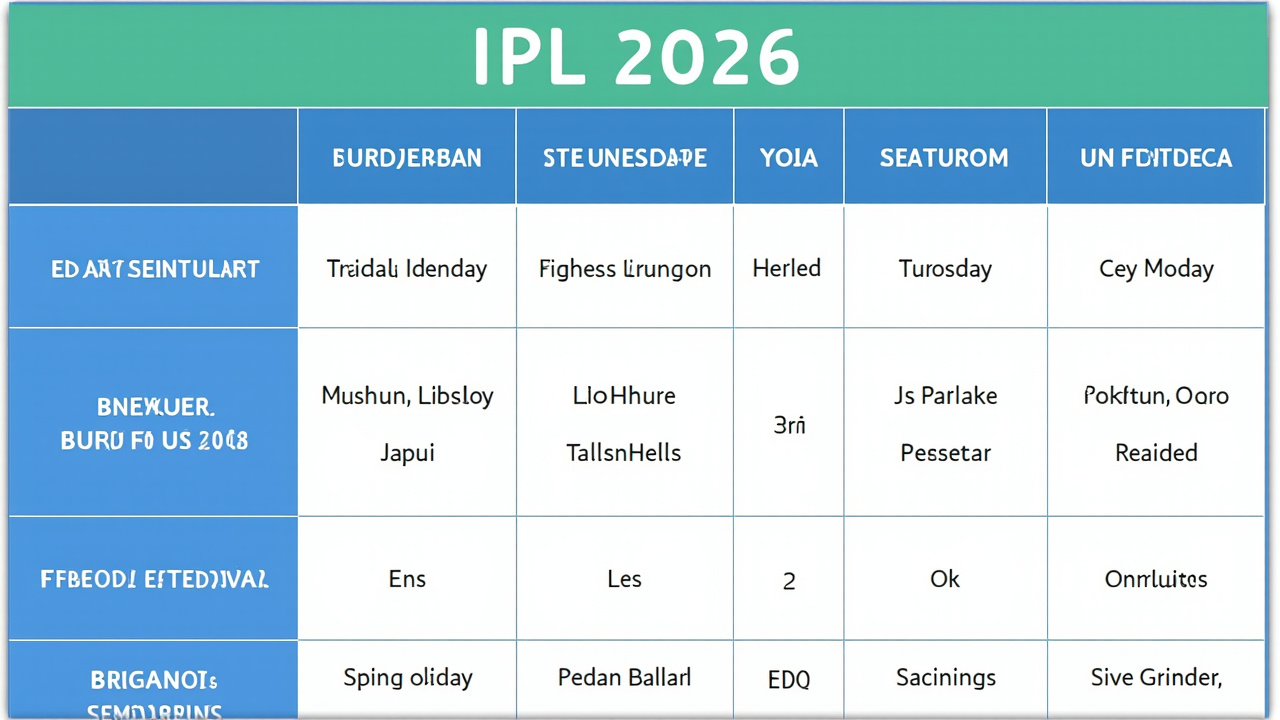
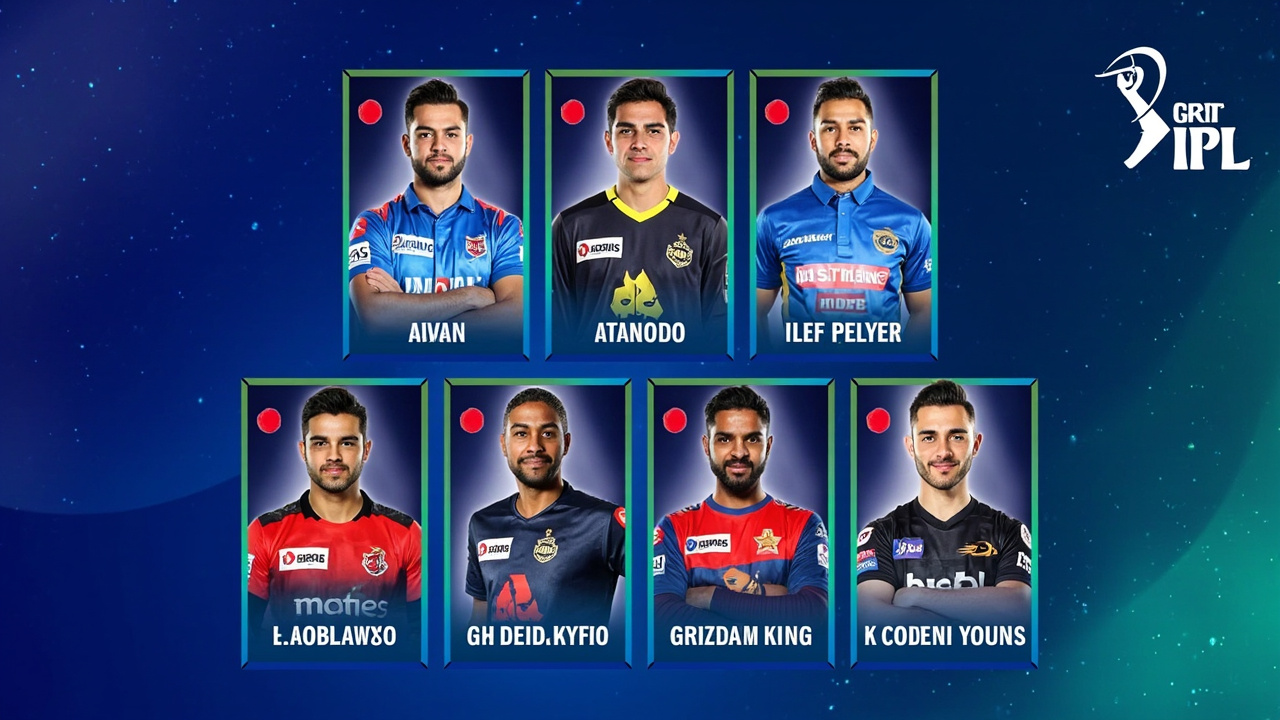
The Fantasy Guides vertical is updated weekly. Each post links to a primary source — match record, scorecard, weather feed, or named analyst note.
Source-first research. Verified squad intel. Format-aware tables. Auditable captain logic. Independent of operators.
Read the post end-to-end, then open the linked hub for the longer-form guide. Apply the framework in the companion app.
Pair these posts with the points system calculator and the captain & vice-captain multiplier explainer.
Some links on this page are affiliate links. Read our affiliate disclosure for the funding model.
Fantasy sport is entertainment with a small stake. The responsible play hub lists the tools you can use at any time, without notice.
Every figure on this page is internally reviewed — visit the methodology page for the audit trail.
Most Indian states allow paid fantasy contests. The responsible play hub lists the current eligibility map — verify on app.
Where payouts are mentioned, the source row links to a withdrawal record inside the app. No screenshots from anonymous or unverified sources.
Posts are reviewed before publish and re-audited weekly. The audit log is internal and not published.
This content is editorial — a guide, not a tip sheet. Fantasy cricket involves financial risk; play responsibly.
Before you pick a captain, you need to know how points work. The points system is the rulebook — every captain pick is a bet on which scoring events will fire. Read the points system explained post end-to-end. It will take 8 minutes and it will reshape how you read form.
Captaincy is where fantasy is won and lost. The 2x multiplier means your captain is worth twice your best non-captain player. The captain picks post walks through the decision framework and the current top picks.
All-rounders are the highest-points-per-credit asset in fantasy. The all-rounder value index ranks the current top picks by expected points per credit. Pair this with your captaincy decision.
Death bowling is hard to find and easy to misprice. The death-overs bowling stats post surfaces the bowlers who actually concede under 8 runs per over in the final four.
The welcome bonus is real money, but only if you understand rollover. The welcome bonus strategy post walks through the math and the optimal contest size to convert bonus to cash.
Squad updates, injury news, toss news — the IPL news vertical keeps you current. Pair the news with the injury watch and top 20 players posts.
The IPL 2026 schedule post surfaces the venue-by-venue form, the back-to-back fixtures and the tournament-pattern angles. Use it to plan your bankroll across the 74-match season.
The auction analysis post identifies which franchises over-paid, which picks are the bargain buys and which players to fade in early-season contests.
Toss matters more than most new players realise. The toss impact post quantifies the captaincy shift between bat-first and chase-first, with venue-level numbers.
Before you pick a captain, you need to know how points work. The points system is the rulebook — every captain pick is a bet on which scoring events will fire. Read the points system explained post end-to-end. It will take 8 minutes and it will reshape how you read form.
Captaincy is where fantasy is won and lost. The 2x multiplier means your captain is worth twice your best non-captain player. The captain picks post walks through the decision framework and the current top picks.
All-rounders are the highest-points-per-credit asset in fantasy. The all-rounder value index ranks the current top picks by expected points per credit. Pair this with your captaincy decision.
Death bowling is hard to find and easy to misprice. The death-overs bowling stats post surfaces the bowlers who actually concede under 8 runs per over in the final four.
The welcome bonus is real money, but only if you understand rollover. The welcome bonus strategy post walks through the math and the optimal contest size to convert bonus to cash.
Squad updates, injury news, toss news — the IPL news vertical keeps you current. Pair the news with the injury watch and top 20 players posts.
The IPL 2026 schedule post surfaces the venue-by-venue form, the back-to-back fixtures and the tournament-pattern angles. Use it to plan your bankroll across the 74-match season.
The auction analysis post identifies which franchises over-paid, which picks are the bargain buys and which players to fade in early-season contests.
Toss matters more than most new players realise. The toss impact post quantifies the captaincy shift between bat-first and chase-first, with venue-level numbers.