Auction 2026. Winners, Losers & Fantasy Impact
The pre-season auction result, mapped to franchise roles and fantasy points expected value. Pairs with the trade-window readout for the full 2026 squad picture.
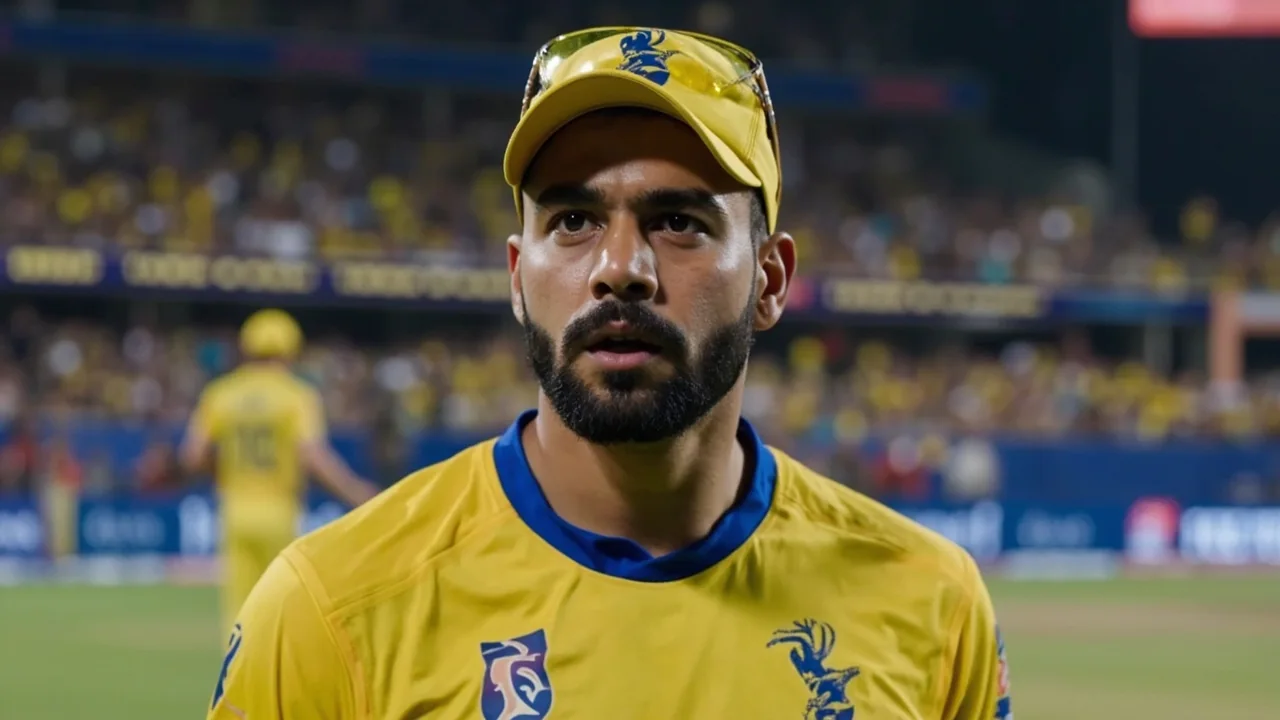
· 7 min read · Editorial desk · Source: Hindustan Times
On 26 July 2026, Hindustan Times reported that a possible swap of Hardik Pandya from Mumbai Indians to Chennai Super Kings is being discussed through two unconfirmed constructions. The first routes Shivam Dube plus Ayush Mhatre to Mumbai. The second keeps Mhatre in yellow and ships Dube, Dewald Brevis and an additional INR 10 crore cash to the Wankhede. Neither franchise had confirmed a deal at the time of publication.
Hardik's IPL 2026 card, even before the rumour, had been a quiet one by his standards: 206 runs at an average of 22.89 and a strike rate of 138.26, with no fifty. The same report put his death-overs economy at 15.75 and his match tally at four wickets from 22.4 overs. The article's valuation model values his 2026 on-field output at about INR 4.10 crore, adds INR 1 crore for captaincy, and lands near INR 5.10 crore against a stated price point of INR 16.35 crore. That, more than any single name, is the gap the trade is trying to close.
The two constructions are not equally weighted. The first. Dube plus Mhatre in exchange for Hardik. is the simpler package. Mumbai would receive an India seam-bowling all-rounder in his prime and a 17-year-old top-order batter whose six IPL 2026 innings produced 201 runs at an average of 40.20 and a strike rate of 179.46, against a season price of INR 30 lakh. The Hindustan Times analysis says this version gives Mumbai approximately INR 9.70 crore more modelled recent-performance value than Hardik.
The second construction is the one that has dominated the discussion. CSK trades Dube and Brevis plus an extra INR 10 crore in cash. The article says this version already gives Mumbai an INR 5.31 crore advantage before the cash is counted. Brevis alone is a smaller number. 151 IPL 2026 runs at an average of 18.88 and a strike rate of 127.97, valued by the model at around INR 2.73 crore against an INR 2.20 crore price. The INR 10 crore is what turns the package into a deal.
For fantasy readers, the practical question is not the headline price. It is which franchise ends up holding the captaincy, the death-overs seam quota and the Impact Player slot. The rest of this article works through what both versions would mean on the field, in the auction room and on the fantasy scoreboard.
Hardik's IPL 2026 stat line is the kind of mid-table card that comes with a question mark, not a verdict. The lack of a fifty is the loudest single number. The relevant context is that Mumbai's batting order in 2026 has been cycling through combinations, and the role Hardik was bought for. middle-order accelerator with seam duties. has been partially filled by other names. His batting average sits at 22.89, his strike rate at 138.26, and his death-overs economy at 15.75. None of those numbers are catastrophic; they are simply the output of a player who has not yet hit the seam of his own ceiling this season.
Shivam Dube's 2026 output stands in sharp contrast. The article records 270 runs at an average of 38.57 and a strike rate of 158.82, with 120 runs from 66 balls at the death at a strike rate of 181.8. He is the middle-order accelerator that Hardik was advertised to be. The price gap between the two is the part the article's model treats as the central arbitrage. The cash element of the second construction is, in effect, Mumbai telling CSK: we will pay for the role swap because the role is cheaper to fit with Dube than with Hardik.
Ayush Mhatre is the wildcard in either construction. Six innings, 201 runs, an average just north of 40, a strike rate closing in on 180, and a season price of INR 30 lakh. If Mumbai keeps him. the first construction. they are paying for a top-order ceiling, not a current top-order starter. If CSK holds him, Mumbai receives INR 10 crore in cash and a smaller, less definitive part of the equation.
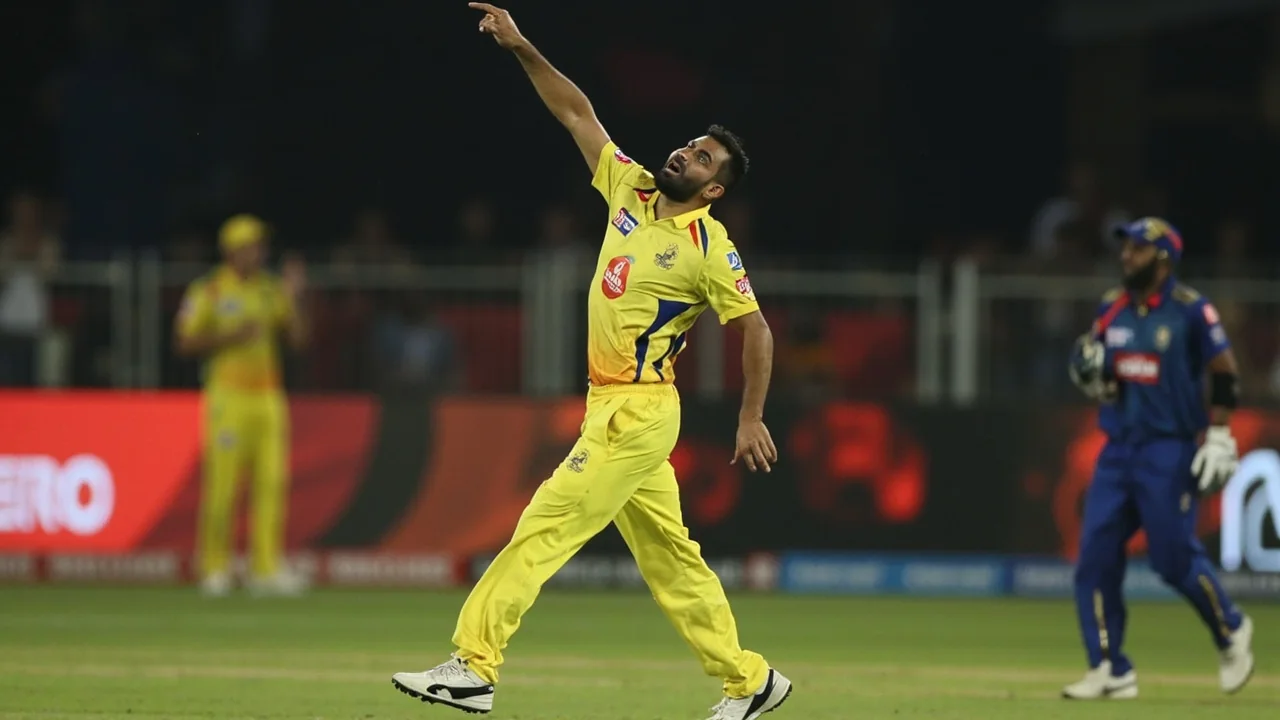
The strongest counter-argument to the value gap is one the article makes explicitly: the IPL franchise market pays a premium for an Indian middle-order batter who can also seam-bowl and captain. The auction list from the previous cycle, the impact-player rules and the overseas-slot cap all push in the same direction. An Indian all-rounder who can soak up four overs, bat at five or six and lead the side is a structural asset. The article adds INR 1 crore to the modelled value purely for captaincy, on top of the on-field number.
This is the reason the discussion has not been a one-line dismissal. The Dube-Brevis-plus-cash package is not a market sentence on Hardik; it is a market sentence on the role in 2026. A captain who is bowling four overs at 15.75 in the death, behind a Mumbai pace attack that has already cycled through Bumrah, Coetzee and a third-seamer rotation, is contributing the captaincy line and not the death-overs line. For Chennai, who have used Ravindra Jadeja as their primary seam-bowling all-rounder for several seasons, the marginal value of Hardik's role is moderate. It is, the article concludes, an overpayment given the INR 10 crore cash element.
For Mumbai, the equivalent question is whether the freed-up purse. INR 16.35 crore in pure money terms, or INR 10 crore in the second construction. bought better than Dube plus Brevis does today. The article's own data says yes, before the cash is even counted. The follow-up is whether the trade helps the auction mix for 2027, when overseas slots reset and the impact-player rule continues to compress the value of a single-role overseas batter.
For fantasy players, the first effect is on the captaincy selection. If Hardik moves to Chennai, his IPL 2026 form card. the same one driving the rumour. is the data fantasy players will work with. A captain multiplier of 2 on a player with no fifty and a 138 strike rate is a high-variance pick. The move to Chennai would not, by itself, lift the card. The venue bias and the role would have to lift it. If Chennai uses him at five with five overs of seam, the fantasy scoreboard responds. If he sits at six with two overs, it does not.
For Shivam Dube, the move to Mumbai changes the death-overs arithmetic. The Wankhede is a smaller ground than Chepauk, and the death-overs pair-share in Mumbai has been unstable. A 158.82 strike rate and a 181.8 death-overs strike rate at Chepauk do not translate by a fixed ratio to the Wankhede. The honest expectation is a moderate drop in differential ceiling, partly offset by more balls faced. Fantasy players who captain Dube as a 2x should treat the move as a venue downgrade until confirmed otherwise.
Dewald Brevis's role is the cleanest in the set. He is a top-order overseas batter with a 127.97 strike rate in 2026 and a 2.20 crore price. If he joins Mumbai, the contest for the Impact Player slot and the opening partnership reshuffles. If he stays at CSK, the math is unchanged. The fantasy scoreboard is largely indifferent to the trade for Brevis; it is the team-list consequences that matter.
For Ayush Mhatre, the second construction is the one that matters. If he stays at CSK, he remains a top-order ceiling bet at 30 lakh. If he joins Mumbai, the same logic applies but the competition for the opener slot is different. Either way, the price dwarfed by the seniors in this package is the fantasy trade the league will notice least and the franchise will value most.
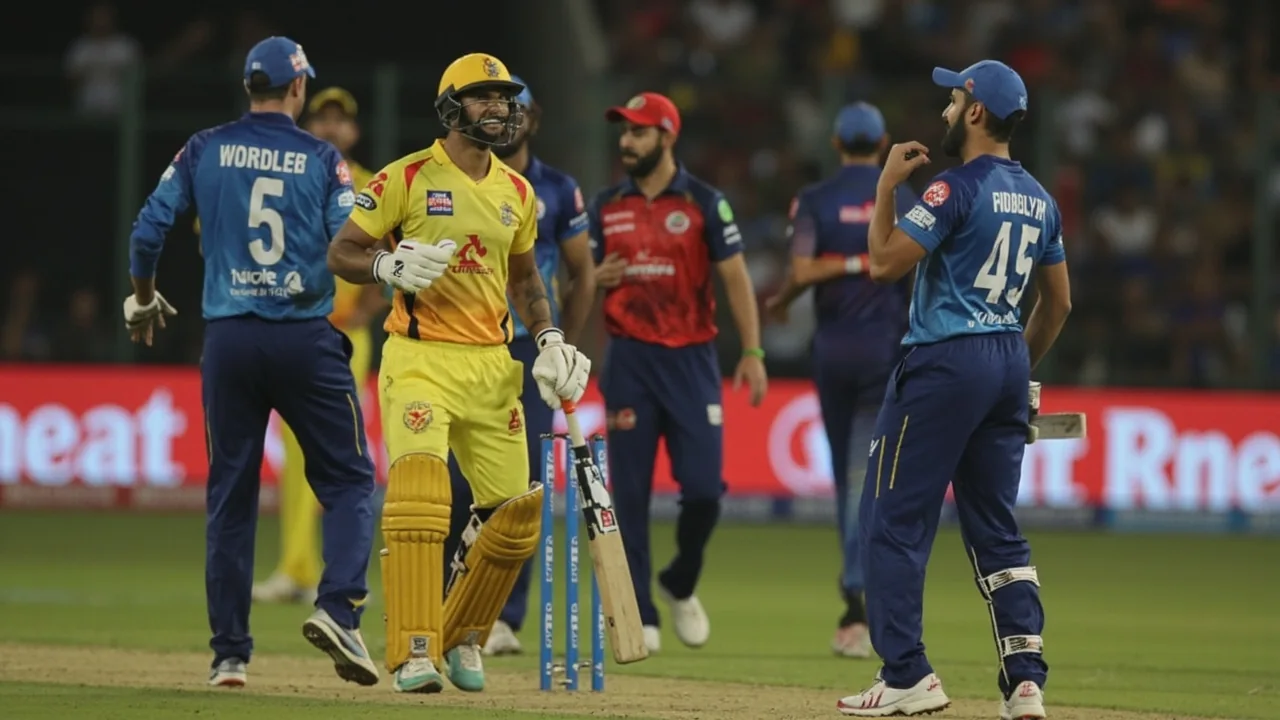
Chennai's fit is the easier read. They gain a seam-bowling all-rounder who can captain, and they lose a left-handed middle-order batter in Dube and a top-order overseas batter in Brevis. The latter is the harder loss, because Chennai's overseas mix this season has been shaped around Brevis's role. The INR 10 crore of cash, if the second construction closes, gives them headroom for the next auction cycle and a clear reading of where the squad is heading. The downside is the captaincy question, which is open regardless of who wears the armband.
Mumbai's fit is the trickier one. The first construction hands them Dube plus Mhatre and asks them to absorb a role that is half-full on Hardik's 2026 card. The second construction hands them Dube, Brevis and INR 10 crore in cash, which is closer to a built roster than a single name. The article's INR 5.31 crore advantage number, before the cash is added, sets the floor; the cash is the ceiling. The risk is that Hardik's 2026 form is a one-season dip and the trade looks different in the rear-view mirror.
Both teams have a public statement problem. Neither has commented on the rumour, and the IPL trade window machinery is opaque by design. The article is a calculation, not a confirmation. Until either franchise breaks the silence. historically, they wait until a deal is signed. the fantasy market is pricing a possibility, not a fact.
The Hindustan Times piece runs a recent-performance valuation. It takes the IPL 2026 numbers for each player, models a per-run and per-wicket value, and adds a captaincy premium. It does not include franchise-fit, dressing-room chemistry, marketing value, or the secondary effect of freeing up a purse slot. Two notable omissions: the model values Dube's 2026 numbers at about INR 2.73 crore against an INR 2.20 crore price, and Brevis at a similar 2.73 crore, but the gap between his cost and his modelled value is large enough that the model is doing market work, not stat work. The Hindustan Times valuation is a useful sanity check, not a price discovery engine.
The model also does not include a discount for the injury risk Hardik has carried historically. The 2026 card is silent on it, but the multi-year history of niggle-managed workload is well known. A team absorbing the captaincy line is also absorbing the workload-management line. The article leaves this out of the model, and a serious franchise valuation would not.
Confirmed by the article: neither Mumbai Indians nor Chennai Super Kings has confirmed a Hardik Pandya trade. Hardik's 2026 numbers. 206 runs at 22.89 average and 138.26 strike rate, four wickets from 22.4 overs at 11.43 economy, 15.75 at the death, no fifty. The two construction drafts are attributed to Hindustan Times reporting and are not on the record from either franchise.
Speculated by the article: Mumbai's preferred package is Dube plus Mhatre; the alternative is Dube, Brevis and INR 10 crore. The article further speculates that the second construction is an overpayment for CSK and a value gain for Mumbai. The captaincy fit is speculated but not detailed.
Not yet known: whether the deal closes at all. Whether Hardik's role at CSK would be four overs or two. Whether Mhatre would displace the current CSK opener or rotate in. Whether the cash element is INR 10 crore exactly or a different number. Whether the cap impact affects the next auction cycle. The studio-on-the-record silence from both franchises is the loudest signal.
The next milestones are not the auction. They are the post-match press conferences of the next two match weeks, the official social channels of both franchises, and the mid-season IPL media briefing cycle. The first confirmation of a structural trade in recent IPL history has come from a press release or a franchise ambassador, not from a news report. Until that happens, the trade is in the rumour stage. The IPL News desk will carry the confirmation as soon as either franchise breaks the silence.
Inside the IPL Super Contest desk, the watchlist is small: the playing XI of Mumbai's next match, the team sheet of CSK's next match, and any post-match mention of Hardik's role. A confirmed move would trigger a captaincy update on the daily cheat sheet and a rebalance of the death-overs captain multiplier table. Until then, the lineup is unchanged.
For fantasy players reading this, the practical takeaway is short. Treat the rumour as a captaincy volatility flag, not a confirmed acquisition. Do not move Dube off your team on the rumour of a trade; do not move him on either until the franchise confirms. The Hindustan Times number set is the most rigorous version of the rumour available; the final line is the franchise's, not the model's.
This article is built on the Hindustan Times piece dated 26 July 2026, 09:38 IST, bylined to the publication's cricket desk. The numbers quoted. Hardik's 206 runs at 22.89 average and 138.26 strike rate, Dube's 270 runs at 38.57 and 158.82, Mhatre's 201 runs at 40.20 and 179.46, Brevis's 151 runs at 18.88 and 127.97, the captaincy premium of INR 1 crore, and the package valuations of INR 9.70 crore and INR 5.31 crore. come from that report. The IPL Super Contest desk has not independently verified any of these numbers against the official match scorecards; the article is a rewrite of the report's narrative, not a re-derivation of the data. The trade in question is unconfirmed.
The Hindustan Times model is reproducible in direction if not in exact value: recent-performance valuation, plus a captaincy multiplier, against an explicit price point. Anyone building a fantasy trade-pressure model can use the same inputs and arrive at a similar conclusion.
Short, source-linked answers to the questions this article raises on the fantasy scoreboard.
No. As of the Hindustan Times report on 26 July 2026, neither Mumbai Indians nor Chennai Super Kings had confirmed a Hardik Pandya trade. The two package constructions. Dube plus Mhatre, or Dube, Brevis plus INR 10 crore. are reported as rumoured, not confirmed.
The Hindustan Times article records 206 runs at an average of 22.89 and a strike rate of 138.26, with no fifty. He took four wickets from 22.4 overs, conceded 11.43 runs per over overall and 15.75 in the death overs. The article's valuation model put his 2026 contribution at about INR 5.10 crore against a stated price of INR 16.35 crore.
The first routes Shivam Dube and Ayush Mhatre to Mumbai in exchange for Hardik Pandya. The second keeps Mhatre at CSK and ships Dube, Dewald Brevis and an additional INR 10 crore in cash to Mumbai. The article says the first version gives Mumbai about INR 9.70 crore more in modelled recent-performance value; the second gives Mumbai an INR 5.31 crore advantage before the cash is counted.
The article argues that an Indian middle-order batter who can provide seam bowling and captaincy carries a structural premium in the IPL franchise market. The Hindustan Times valuation adds INR 1 crore specifically for the captaincy line. The premise of the cash premium is that the role is worth more than the 2026 form card alone suggests.
Until the trade is confirmed, fantasy players should treat Hardik as a high-variance captaincy pick on his existing 2026 card. A move to CSK would change the venue mix and the role, but it is not yet a confirmed change. Shivam Dube's value as a 2x captain is venue-sensitive; the Wankhede is a smaller ground than Chepauk, which moderates the ceiling. Mhatre and Brevis are price-floor assets in either roster.
The primary source is the Hindustan Times cricket desk report dated 26 July 2026, 09:38 IST. The IPL Super Contest desk has not independently re-verified the 2026 numbers against the official match scorecards; the article is a narrative rewrite of the report, not a re-derivation of the data. The trade remains unconfirmed.
This content is editorial. IPL Super Contest is an independent fantasy-cricket guide; we are not affiliated with the BCCI, IPL franchises, or any real-money gaming operator. The numbers above are drawn from the Hindustan Times report cited in Section 10 and have not been re-verified against official scorecards. The trade is unconfirmed. Fantasy cricket is a game of skill and is only legal in certain Indian states. see the responsible play guide for the current eligibility map. Play responsibly.
Build your team around the latest squad news. captain picks, points math, and a live scoreboard, all in one place.
The decisive update on this rumour will be an official statement from either Mumbai Indians or Chennai Super Kings, or a formal IPL trade-window announcement from the BCCI. Both franchises have historically waited until a deal is signed before going on the record; the press release, not the press conference, has been the venue. The watchlist from here is short: the playing XI of Mumbai's next match, the team sheet of CSK's next match, the next post-match presser where Hardik's role comes up, and any post on the official @mumbaiindians and @ChennaiIPL social channels that names the four players in either construction. The Hindustan Times number set is the most rigorous version of the rumour currently available; the franchise line, when it lands, will replace it.